
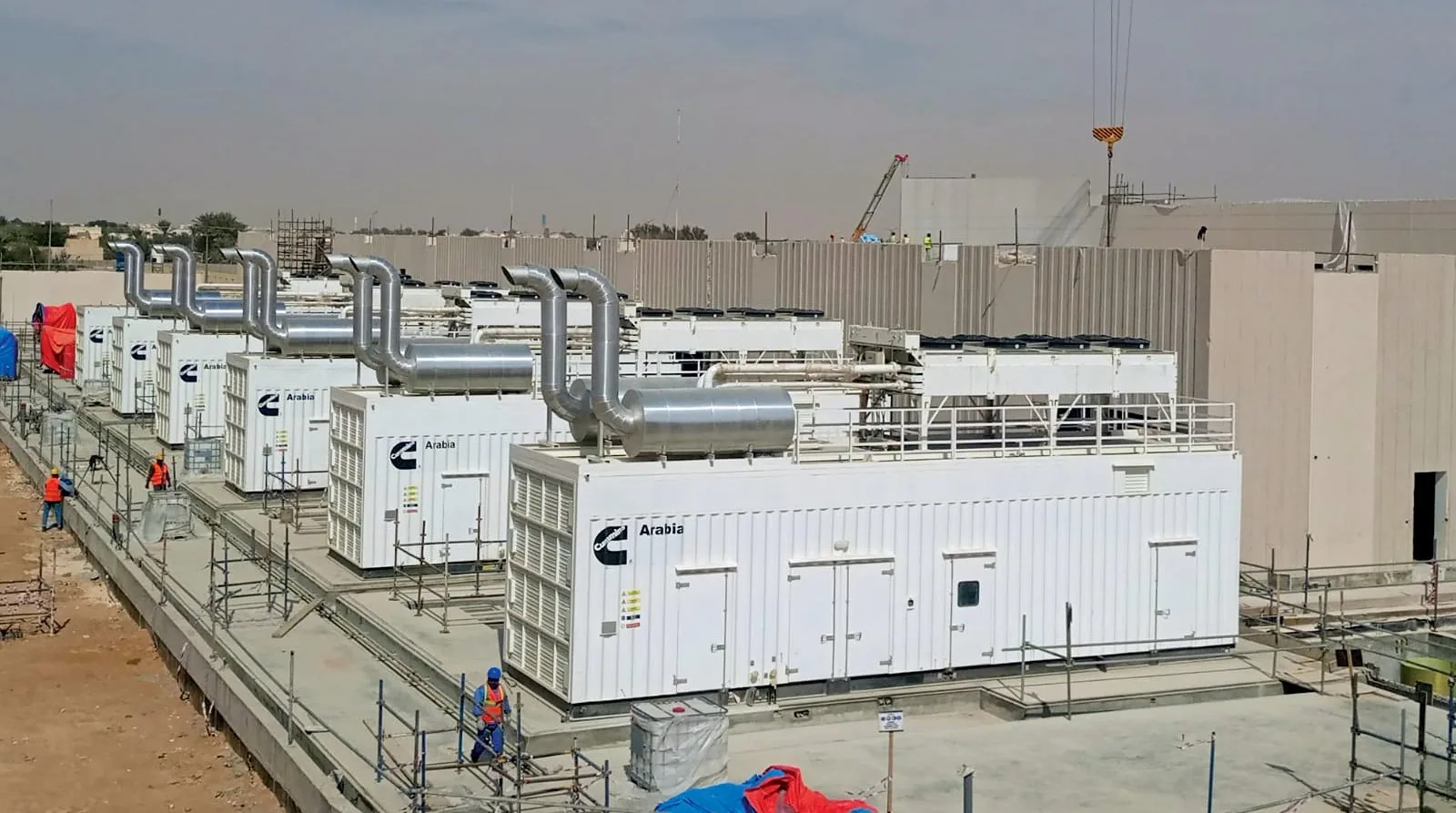
Boston, MA · Transfer Switches
Boston, MA: Transfer Switches Purchase and Removal
We purchase transfer switches throughout Boston and the surrounding Massachusetts market — units still energized and scheduled for replacement, equipment already sitting dead after an upgrade, and lots coming out of a full plant closure. We buy the gear and we do the removal: one company, one offer, one certificate of insurance.
Same-day written offer
Get a Written Offer
Send the asset list, or just describe what is in the room. We come back the same business day with a written, itemized offer.
Faster: call 954-740-1983
Email an asset list to electricalequipmentbuyers@gmail.com
Mon–Sat, 7am–7pm ET. We never resell your contact information.
- Location
- Boston, MA
- Equipment
- Transfer Switches
- Ratings
- 100 A – 4,000 A ATS
- Offer
- Same business day
- Removal
- Our crews
- Phone
- 954-740-1983
Equipment
Transfer Switches we buy in Boston
Our Massachusetts routing runs along I-90 and the Mass Pike, I-95 and Route 128, I-93 and I-495, which keeps trailer and crew cost predictable on Boston projects. Utility territory matters too — Eversource, National Grid, Unitil, municipal light departments each have their own clearance, metering and disconnect expectations, and we have worked inside them. Massachusetts runs on conversion. The mill complexes along the Merrimack at Lowell and Lawrence, the Blackstone Valley around Worcester, and the Connecticut River corridor at Springfield and Holyoke are being turned into apartments, labs and light industry, and the electrical scope that comes out of a converted mill is often a century of accumulated switchgear, busway and transformers in one building. Add the biotech and lab build-out along Route 128 and in Cambridge, which retires perfectly serviceable switchboards and distribution gear on tenant-fit cycles rather than at end of life, plus the teaching hospitals and universities replacing emergency power systems. Municipal light departments are a real feature here — many towns own their distribution, so clearance procedures vary town to town and we plan for it rather than being surprised by it.
Paperwork travels with the job: a certificate of insurance naming your entity, a W-9, a signed purchase agreement listing every asset and its price, oil test and disposal manifests where transformers are in scope, and weight tickets or a bill of lading for what leaves the Boston site. Maintenance, EHS and accounting each get the document they need.
| Item | Detail |
|---|---|
| Ratings | 100 A – 4,000 A ATS |
| Scope | Automatic, manual, bypass-isolation |
| Nameplates | ASCO, Zenith, Russelectric, Kohler, Generac, Onan, Cummins, Eaton, Square D, GE Zenith |
| Condition | Working, retired, water-damaged or already dismantled |
| Minimum | One section, one unit, or a whole plant lot |
Valuation
What it is worth
Copper is the floor under most of this equipment, and it is a floor that moves. Bus bar, windings and feeder cable set a minimum value we can always pay on a Boston lot; resale demand for the specific make and model is what lifts the offer above it. Obsolete breakers and discontinued panelboard interiors are the clearest example — unglamorous parts that plants cannot buy new anywhere.
Massachusetts note
Massachusetts runs on conversion. The mill complexes along the Merrimack at Lowell and Lawrence, the Blackstone Valley around Worcester, and the Connecticut River corridor at Springfield and Holyoke are being turned into apartments, labs and light industry, and the electrical scope that comes out of a converted mill is often a century of accumulated switchgear, busway and transformers in one building. Add the biotech and lab build-out along Route 128 and in Cambridge, which retires perfectly serviceable switchboards and distribution gear on tenant-fit cycles rather than at end of life, plus the teaching hospitals and universities replacing emergency power systems. Municipal light departments are a real feature here — many towns own their distribution, so clearance procedures vary town to town and we plan for it rather than being surprised by it.
Related
Related pages
Not in Boston? These are close:
Common questions
Questions
What is the smallest job you will take in Boston?
A single transformer, one switchgear section, a pallet of breakers or a few boxes of breakers is worth a call. Because we route crews across Massachusetts continuously, small Boston pickups usually get added to an existing run rather than priced as a dedicated trip.
How fast can you get to a Boston site?
Written offers go out the same business day in nearly every case. After acceptance, typical mobilization to Boston is a few business days for a straightforward removal and one to two weeks for a full plant scope that needs phasing, rigging plans or utility coordination.
Do we have to disconnect the equipment before you arrive?
No. We handle removal. Your electrician or the utility performs the final isolation and we verify it; from there our crews lock out, cut and cap cable at the gland, unbolt the sections, skate them out and load them. If the Boston room is still partly live we phase the work.
How do you handle transformer oil in Boston?
Oil is tested, drained and manifested through licensed handlers, and you receive the documentation with your paperwork. PCB-suspect units go under a separate waste profile. Nothing is left on your pad in Boston and nothing gets dumped — the handling cost is already in the offer.
Transfer Switches in Boston?
One written offer covering purchase, removal and freight.