Get A Written Review For Your Equipment
SELL ELECTRICAL PANELS IN NEW YORK, NY
Present used and surplus electrical panels in New York, New York for direct buyer review, written commercial terms, and coordinated pickup. Send current photos, ratings, quantity, condition, location, and access details for review.
START WITH THE ACTUAL ASSET
DOCUMENT THE EQUIPMENT BEFORE IT IS MOVED OR SCRAPPED
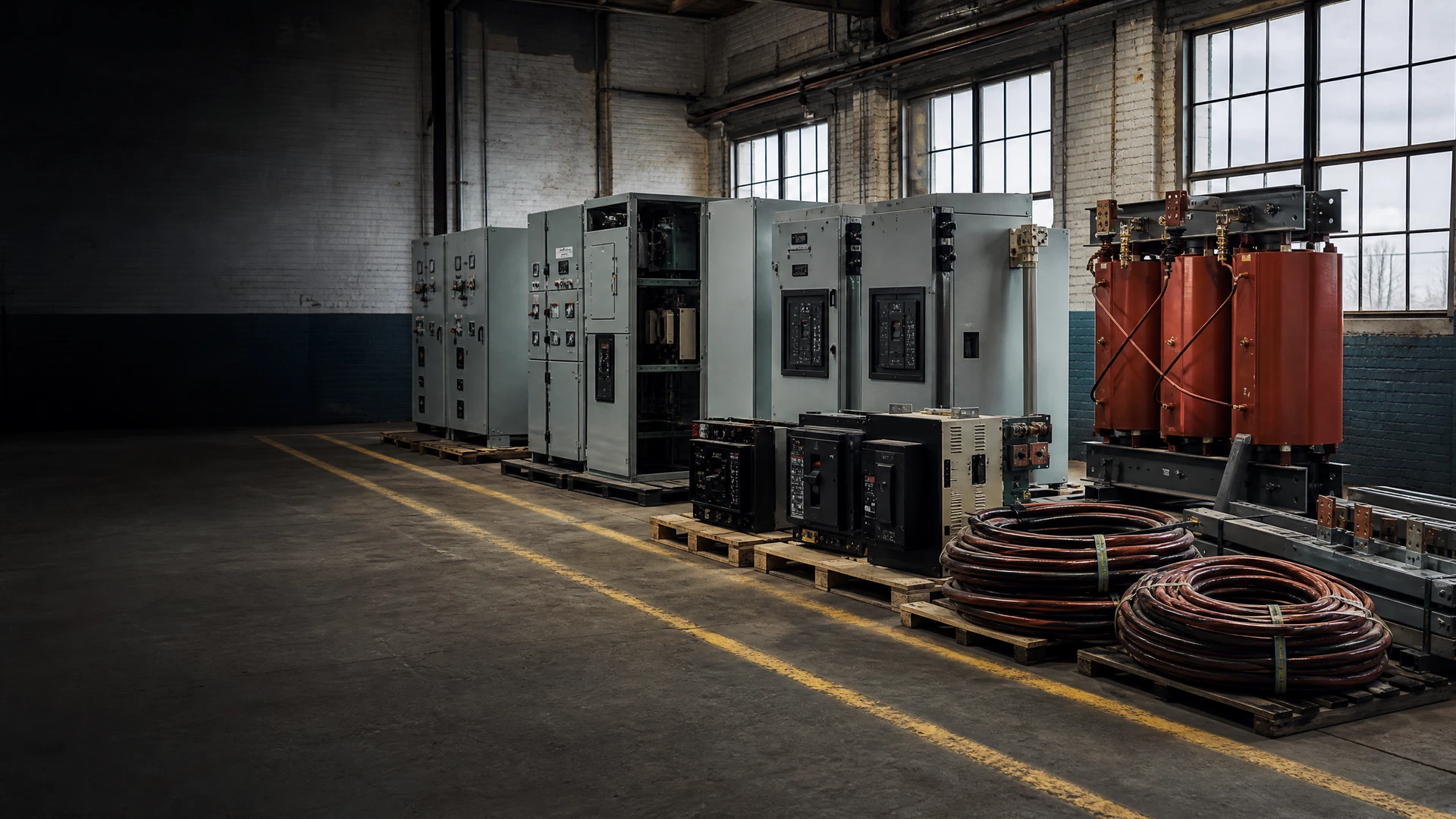
Present used and surplus electrical panels in New York, New York for direct buyer review, written commercial terms, and coordinated pickup. The first review depends on current evidence, not a generic online price. Show the complete lineup or lot, then add readable photographs of nameplates, manufacturer labels, model and series information, voltage, amperage, phase, frequency, interrupting ratings, enclosure type, installed devices, section count, and known modifications.
Service-area clarity: this page describes equipment that can be reviewed from New York, New York. It does not claim that Northeast Electrical Buyers has a local office, warehouse, employee, yard, or storefront in the city. The buying desk reviews documentation first and coordinates an approved purchase from the disclosed pickup location.
Sellers in New York, New York should explain whether the equipment is energized, de-energized, disconnected, removed, skidded, stored indoors, stored outdoors, or scheduled for a future shutdown. Include quantity, dimensions, approximate weights, operating history, removal status, pickup address, loading access, project deadline, and any drawings, test reports, manuals, spare components, or equipment schedules that remain available.
Do not remove identification, cut bus, strip wiring, discard breakers, separate matching sections, or scrap coordinated equipment solely to prepare a quote. Those steps can erase information and reduce reuse options. Photograph the complete arrangement first and preserve matching pieces until the buyer has reviewed the package.
WHAT WE REVIEW
COMPLETE LINEUPS, SPECIALIZED COMPONENTS & MIXED PROJECT LOTS
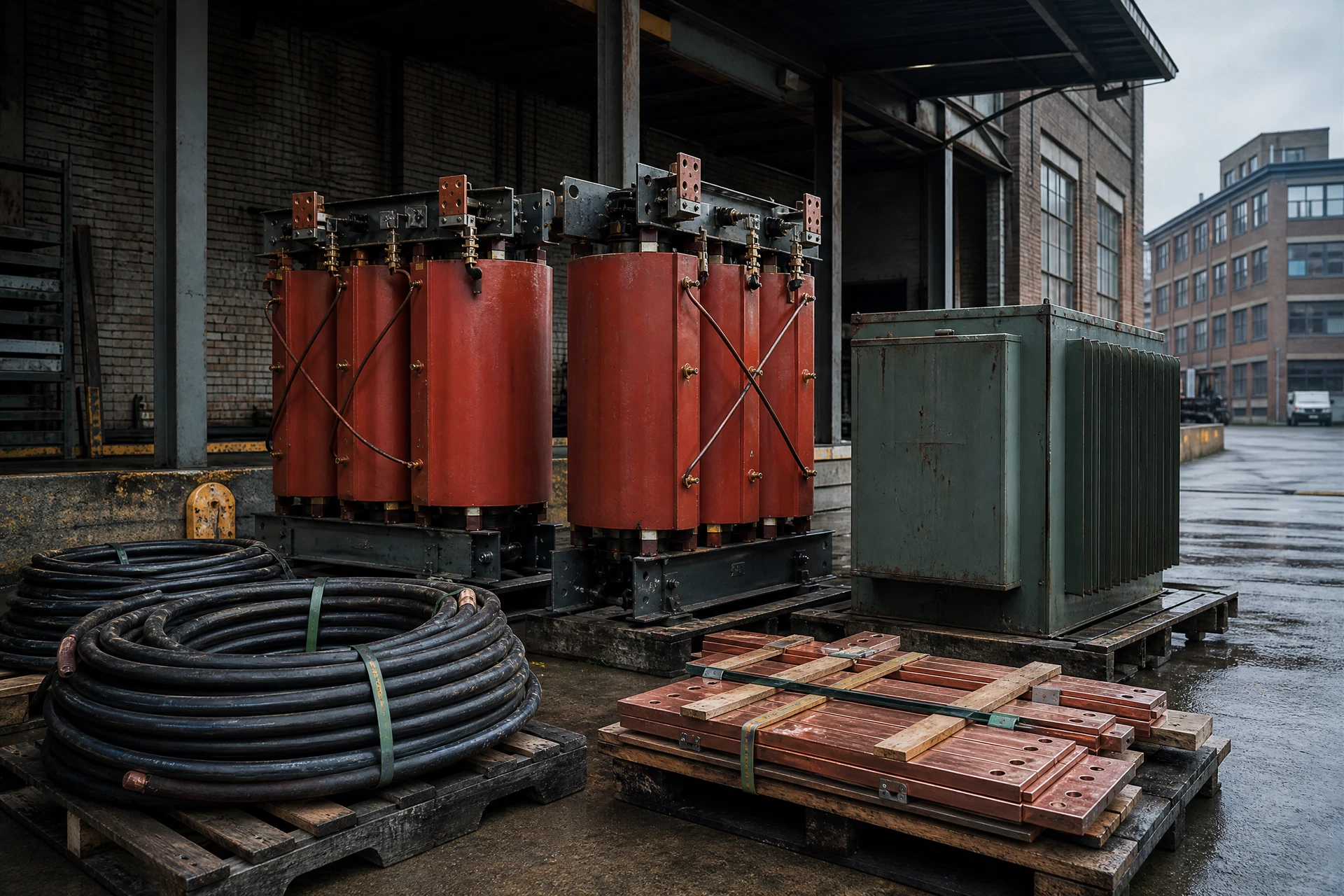
A seller may have low- and medium-voltage switchgear, switchboards, drawout breakers, and distribution sections. Another project can include motor control centers, MCC buckets, starters, drives, controls, and spare components. Separate complete assemblies from loose devices, labeled equipment from unidentified cabinets, and reusable assets from damaged or contaminated material. A simple inventory by equipment type, manufacturer, rating, quantity, and condition is more useful than one estimated combined weight.
For Electrical Panels, identity and completeness can change the review. Matching sections, intact bus, complete doors and barriers, installed breakers or buckets, spare components, dry storage, factory documents, and clear ratings can support reuse consideration. Missing covers, corrosion, water exposure, cut bus, stripped wiring, obsolete controls, damaged insulation, or absent nameplates must be disclosed.
Common sellers include electrical contractors releasing canceled-project material and warehouse surplus. Equipment can come from expansions, redesigns, canceled orders, modernization, warehouse consolidation, preventive-maintenance programs, plant shutdowns, tenant improvements, facility closures, and demolition. The source helps explain whether material is new surplus, operating, removed from service, modified, incomplete, or exposed to weather.
No equipment type is automatically purchased. The buyer may request more photographs, ask for missing ratings, separate a mixed lot into different categories, decline damaged assets, or explain that recycling is more practical. A written review is safer than promising value before ownership, identity, condition, demand, safety, removal, loading, and freight are known.
VALUE & COMMERCIAL TERMS
VALUE CAN EXTEND BEYOND METAL, BUT IT MUST BE PROVEN
Scrap recovery focuses primarily on metal content. A direct equipment review can also consider manufacturer, model, ratings, age, completeness, compatibility, replacement demand, installed devices, stored documentation, condition, location, removal cost, and freight. That does not guarantee a higher value, a purchase, or a particular offer.
Payment method and timing are confirmed in writing before an approved pickup. Buyer-paid freight and buyer loading costs apply only when those responsibilities are specifically included in the accepted terms. Electrical disconnection, qualified labor, rigging, crane work, permits, environmental work, demolition, site restoration, escorts, and union requirements are not automatically included.
Never release equipment or dispatch a carrier based on an incomplete conversation. Confirm the asset list, price, payment terms, pickup location, responsible parties, removal scope, loading method, access window, safety rules, insurance requirements, and completion date before work begins.
REMOVAL, LOADING & FREIGHT
PLAN THE SITE BEFORE A TRUCK ARRIVES
Describe door and aisle clearances, floor level, dock or ground loading, forklift capacity, crane access, overhead restrictions, trailer approach, security procedures, pickup hours, and weather exposure. State who controls de-energization, disconnection, grounding, rigging, demolition, loading, and site restoration.
Qualified personnel must control electrical safety. Never open energized equipment, enter a restricted area, defeat protective barriers, or expose conductors to obtain a quote photograph. If the asset remains in service, provide existing safe photographs and state the planned outage or release date.
WHY A DIRECT BUYER REVIEW MATTERS
ONE ACCOUNTABLE COMMERCIAL REVIEW
Northeast Electrical Buyers is presented as a direct industrial equipment buyer, not an electrician, installer, repair contractor, retail supply house, marketplace, broker directory, or manufacturer representative. The purpose of every page is to help an owner, contractor, facility, distributor, institution, or project team document equipment and request a commercial review.
Brand names and equipment families identify assets only; no manufacturer authorization or affiliation is claimed. Coverage across Connecticut, Massachusetts, Maryland, New Jersey, New York, and Pennsylvania describes where documented equipment can be evaluated. It does not create a physical-office claim in every city.
For Electrical Panels in New York, NY, call, text photographs, or use the normal form below. The buyer will explain whether additional labels, measurements, interior views, drawings, condition information, ownership records, access details, or site requirements are needed before a written decision can be made.
Request A Quote
Turn Your Surplus Electrical Equipment Into A Reviewable Offer.
Tell us what you have, where it is located, and when it needs to move. Current photographs and nameplates help us review the lot.
954-740-1983Written equipment review
Get a Written Review
Send the asset list, or describe what is in the room. Current photos and nameplates make the review more useful.
Faster: call or text 954-740-1983
Email an asset list to electricalequipmentbuyers@gmail.com.
Ready To Sell Your Electrical Equipment?